Serving the Lake of the Ozarks & Mid-Missouri

Lake of the Ozarks & Mid-Missouri
Spray foam insulation
Get your free estimate
Takes about 30 seconds.
Step 1 of 2
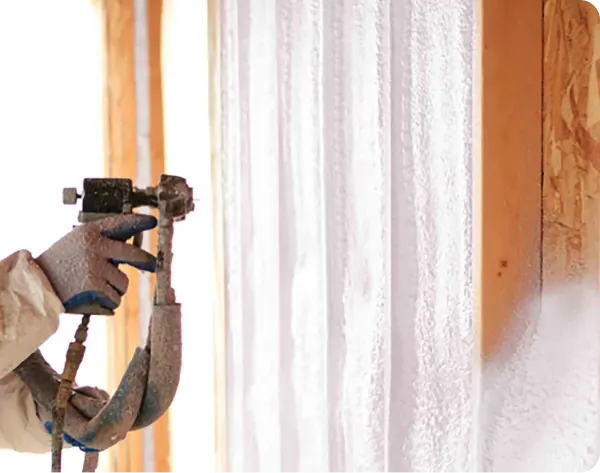
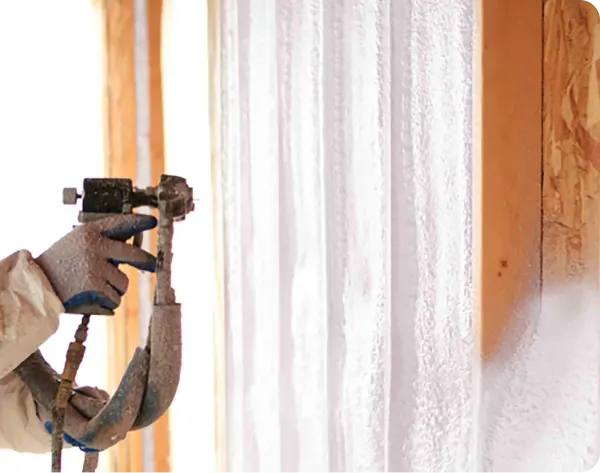
Spray foam is a highly effective form of insulation that is comprised of a two-part product that can be applied to walls, attics, and more. It expands to fill air gaps and provides a long-lasting, highly effective insulation.
- Free estimate
- Photos of what we find in your home
- Rated 5.0 on Angi (19 reviews)
“Chase and Alexa did an excellent job repairing our attic insulation issues.”
 A+ rating
- 5.0 on Angi (19 reviews)
- Financing available
Benefits of Spray Foam Insulation
Spray foam is a uniquely effective form of insulation due to the fact that it can actually provide structural integrity to a building. Spray foam has been commonly used in commercial applications due to its effectiveness in providing both incredible R-Values as well as providing a barrier from moisture and air sealing any gaps in a structure. Inch for inch, closed-cell spray foam has one of the highest R-values of any common insulation. Spray foam is an excellent way to combine air sealing and insulation in one step as it expands rapidly to fill gaps, even in the tiniest of crevices. It is especially useful in homes that do not have a true “attic”, such as A-frame homes. Blown-in and batt insulation can settle or sag over time, but spray foam hardens as it cures, so it stays in place and keeps working.
Types of Spray Foam Insulation
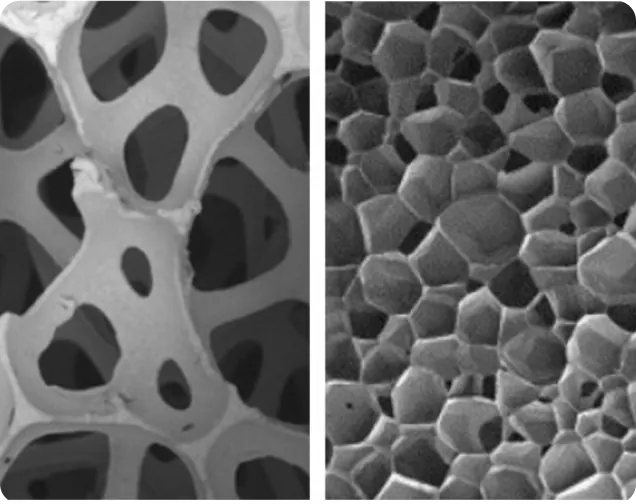
Spray foam insulation offers a variety of solutions tailored to specific needs, with three primary types being the most prevalent: closed cell, open cell, and one-part "can foam." Closed cell foam stands out with its high R-value, serving as a formidable vapor and air barrier. Its dense composition not only gives it an edge in moisture resistance but also lends significant structural support, making it a top choice for challenging environments. On the other hand, open cell foam, characterized by its soft texture, excels in areas where sound dampening is crucial. Though its R-value per inch might be slightly lower than that of the closed cell, its breathability and excellent insulating properties have made it a favorite in residential settings. Finally, the one-part "can foam" offers a more user-friendly experience, especially for smaller tasks and touch-ups. Found in aerosol cans at many local hardware stores, this foam is a handy solution for sealing small gaps and cracks around the house. It is not a substitute for a professional spray foam installation. Each type of spray foam insulation is designed with specific applications in mind, promising optimal results for varied projects.
Benefits of Spray Foam Insulation

Fits Any Space
Expands to fill tiny crevices that other insulation cannot

Long-Lasting Insulation
Maintain effectiveness for decades.

Air and Vapor Seal
Air seals to improve indoor air quality and keeps moisture out.

Sound Reduction
Can provide excellent sound-dampening.

Adds Structural Integrity
Can provide improved strength to buildings.

Save on Energy Bills
Air sealing and high R-Value can dramatically reduce energy bills.
Spray Foam Insulation FAQs
What's the difference between open-cell and closed-cell spray foam?
Open-cell foam is softer, more flexible, and excellent for sound dampening — best for interior applications like attics and walls. Closed-cell foam is denser, adds structural strength, and acts as both an air and vapor barrier — ideal for crawl spaces, exterior walls, and areas needing moisture resistance. Both outperform traditional fiberglass insulation.
How long does spray foam insulation last?
Spray foam doesn't settle, sag, or degrade over time the way fiberglass does. A properly installed spray foam system can last the lifetime of your home. It maintains its R-value and sealing performance for decades without replacement.
Will spray foam help with high energy bills?
Yes. Spray foam's air sealing properties stop the drafts and air leakage that account for the biggest heat loss in most homes. Combined with its high R-value per inch, many homeowners see meaningful reductions in heating and cooling costs after installation.
Can spray foam be used in an existing home?
Yes. In an existing home, spray foam works best where the framing is open: attics, rim joists, crawl space walls, and walls during a remodel. Closed walls usually need a different product. We assess each home to determine whether open-cell or closed-cell is appropriate for your situation and construction type.
Is spray foam safe for my family?
Once fully cured, spray foam is inert and safe. We follow manufacturer guidelines for cure times and ensure adequate ventilation during and after installation. We're happy to walk you through the process and any safety considerations before we begin.
What's the cost difference between spray foam and fiberglass?
Spray foam costs more upfront than fiberglass batts or blown-in insulation, but it lasts longer, seals better, and performs better — meaning lower energy bills over time. We provide free estimates so you can compare options for your specific home.
Spray Foam Insulation Near You

Open-Cell Foam

Closed-Cell Foam
Reviews
Rated 5.0 on Angi by our customers
Chase and his partner were both very professional, courteous and completed the job on time. We wish them both all the best!
Chase and Alexa were professional and always on time. They communicated effectively and kept us fully informed. We particularly liked the photos and thorough discussion of any problem areas. Excellent!
Completed framing and insulation in one day. Worked to meet specific constraints. Professional service
Ready for a more comfortable home?
Call now or get your free estimate online.