
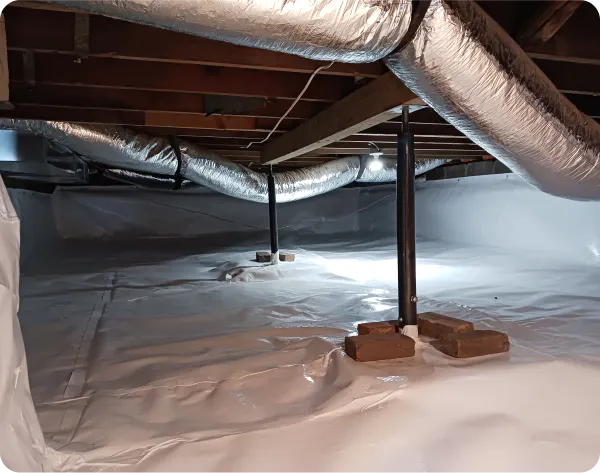
Say Goodbye to Dust and Allergens: The Magic of Crawlspace and Attic Air Sealing
Are you constantly battling against dust, insects, or unwanted odors in your home? Is asthma or respiratory irritation a recurring issue for your family?
Crawlspace encapsulation and attic air sealing can be your unexpected allies in the fight for a cleaner, more comfortable home. Your crawlspace, the small area beneath the first floor of your home, and your attic may seem unimportant, but they can have a significant impact on your indoor air quality. Studies have shown that about 60% of the air in your home comes up from your crawlspace. If this area is filled with moisture, mold, and dust, that's exactly what you'll be breathing in.
In the American Midwest, the average humidity levels can range between 70-80% during the summer months. This can lead to an increase in moisture levels in homes, attics, and crawlspaces, creating an ideal environment for the growth of mold and mildew. Encapsulating your crawlspace essentially involves using a heavy-duty vapor barrier to completely cover your crawlspace — floors, walls, and even often the ceiling. This barrier, in combination with a dehumidifier, significantly reduces the amount of moisture in your crawlspace, effectively curtailing the growth of mold and mildew.
The result? A fresher smelling home, with a greatly reduced likelihood of mold-related health issues. Similarly, air sealing your attic and rim joists (the outer edge of your floor framing system) prevents outside air from infiltrating your home. This process helps to maintain a consistent indoor temperature and keeps dust, allergens, and insects at bay. In fact, the Environmental Protection Agency (EPA) estimates that homeowners can typically save up to 15% on heating and cooling costs by air sealing their homes and adding insulation. But that's not all - by sealing those unseen cracks and gaps, you're also blocking the entry point for many insects, helping to reduce insect infiltration by up to 30%. Reducing the intrusion of insects and allergens, controlling moisture and mold, and maintaining a consistent indoor temperature can also alleviate respiratory and asthma-related issues.
A 2011 report by the World Health Organization indicated that dampness and mold were responsible for a 30-50% increase in respiratory and asthma-related health issues worldwide. By investing in crawlspace encapsulation and attic air sealing, you're not just optimizing your home's energy efficiency and saving money - you're also creating a cleaner, healthier living environment for you and your family. Say goodbye to the dust, insects, and allergens, and say hello to a fresher, more comfortable home.
To further protect your home from excess humidity, mold growth, and air leakages, we invite you to contact SafeGuard Home Solutions for a free inspection and consultation. Our dedicated team will evaluate your home's current condition and provide effective solutions to improve your indoor air quality, making your home a healthier, more comfortable place to live.
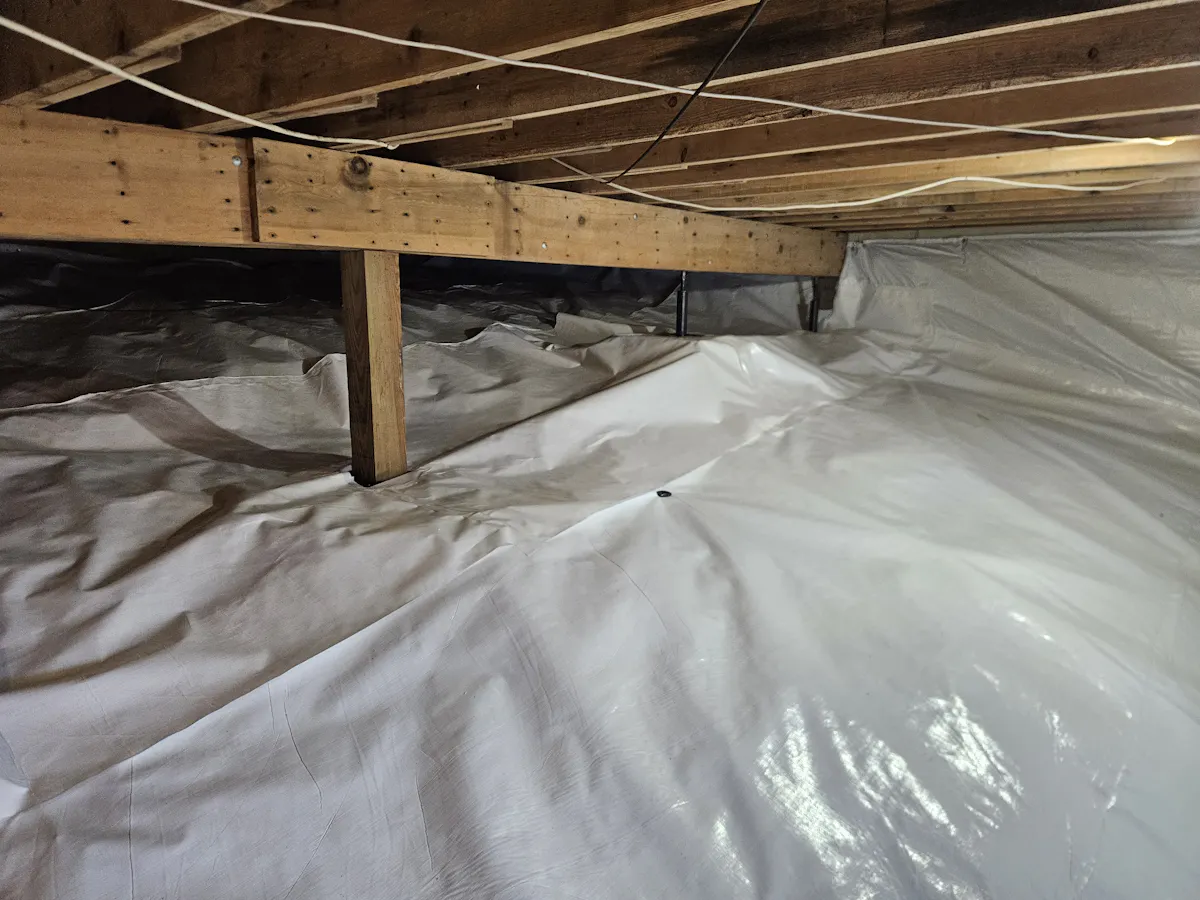
Help! My House Smells Musty. We Do Crawl Space Encapsulations in Mid-Missouri
Crawl Space Encapsulation in Mid-Missouri: What It Is, What It Fixes, and When You Need It
Service area: Eldon, MO + 50 miles • SafeGuard Home Solutions • (573) 877-7377
The short version
If your crawl space is damp, musty, moldy, or making your floors cold, encapsulation is the “full system” fix—**not** just plastic on dirt.
What crawl space encapsulation actually is
Encapsulation typically includes:
- A heavy-duty ground vapor barrier sealed at seams
- Sealed vents (when appropriate)
- Sealed penetrations/leaks (pipes, gaps)
- Crawl space door sealing
- Moisture control (often a dehumidifier / conditioning strategy)
Problems it solves (the big 4)
1) Musty odor / humidity drifting into the living space
2) Mold growth risk (wood + moisture + time)
3) Cold floors and uneven comfort in winter
4) Insulation failure (sagging/wet insulation becomes useless)
Signs you should get an inspection
- Musty smell that won’t go away
- Condensation on ducts or plumbing
- Visible mold, damp wood, or standing water
- Floors feel cold even when the furnace is running
- Allergy symptoms that spike at home
## Encapsulation vs. “a vapor barrier”
A basic vapor barrier helps, but encapsulation is the difference between:
- reducing moisture and
- taking control of the environment
What happens if you ignore it
Moisture problems don’t stay in the crawl space. They show up as:
- higher energy bills
- odor issues
- warped floors / subfloor problems
- ongoing mold remediation costs
Next step
If you’re within 50 miles of Eldon, Missouri, we’ll take a look and tell you what you actually need (and what you don’t).
Call SafeGuard Home Solutions: (573) 877-7377
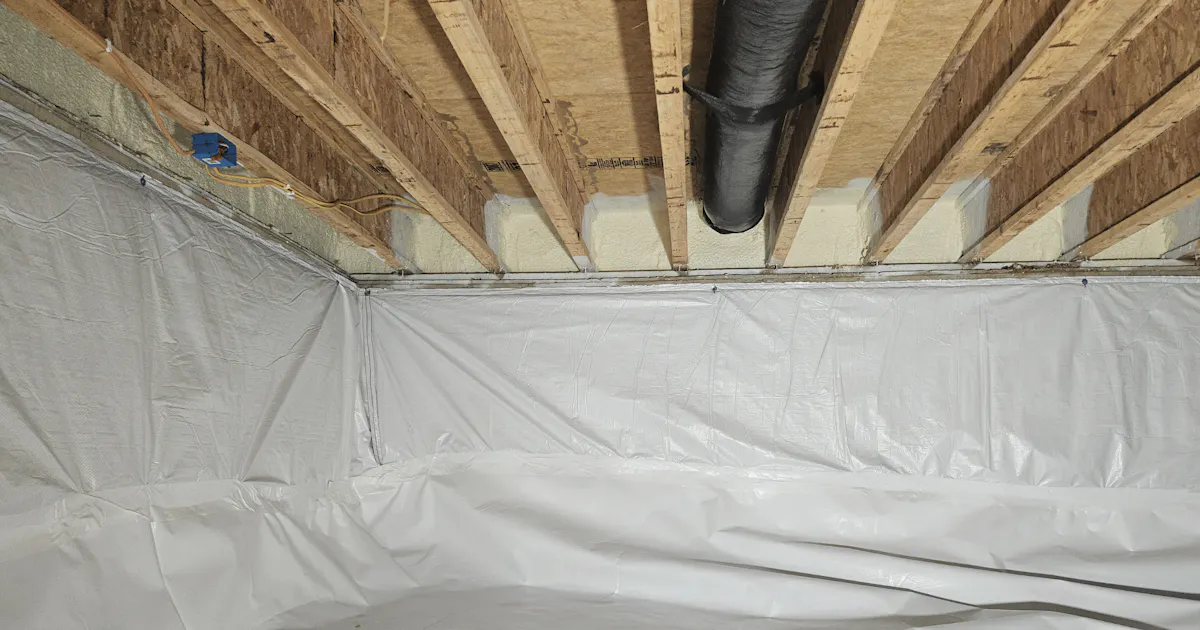
Spray Foam in Crawl Spaces: Benefits, Risks, and Alternatives
Closed-Cell Spray Foam has redefined insulating and air sealing projects. With benefits like sealing out air, forming a structurally sound plastic, and having a high R-value per board foot, homeowners often wonder, "Can we spray foam the crawl space?"
While the solution to that is a little complicated, the short answer is: We do not recommend to spray foam floors or floor joists. However, spraying the rim or band joist is often a great solution which is lower risk.
The Moisture Problem: Crawl spaces usually accommodate utilities like plumbing, electrical systems, and HVAC. Particularly in humid climates, they are susceptible to plumbing leaks, external humidity, and water vapor which emanates up from the ground. It’s for this reason that crawl spaces in humid areas should have existing vents sealed, the inside encapsulated with highly effective and long-lasting materials, and actively dehumidified. With a fully encapsulated crawlspace and a dehumidifier, having exposed sub floors and floor joists is ideal, to allow the wood to maintain a low moisture level and therefore extend the life of your structure. Insulation and air sealing should be moved to the walls of your crawl space, where it can keep you and your utilities toasty in the winter time and eliminate mice and pests that find homes in fiberglass floor insulation. Fiberglass bat insulation under your floors can also hold onto humidity, and needs to be replaced frequently. Fully encapsulated and humidity-controlled crawlspaces are virtually maintenance and worry free.
These steps will protect the wooden structure that supports your home, and allow you to “check in” on your wood and utilities over time to ensure you have a clean and mold free environment to come home to. That is, unless you hide it, conceal potential problems, and trap moisture using spray foam.
Where it Doesn't Belong: Spray foam has very different properties as compared to wood. It is an inert, robust plastic that's air and moisture-resistant due to its closed-cell nature. But when faced with all of the leaks and moisture in a crawl space, spray foaming the floors can trap that moisture, exacerbating rot issues and hiding any moisture or rot issues from being seen. This makes mold treatment and repair nearly impossible without costly sub floor replacement. Removing foam, especially in a cramped crawl space, is an extremely difficult, costly, and hazardous endeavor. This translates to big bucks and bad news over time for homeowners.
Pest Havens: Beyond trapping moisture and damaging wooden joists, sprayed floor joists can also become cozy retreats for bugs who get in through gaps in any perimeter openings in concrete, dirt, block, or rim joist. Over time, these pests leave droppings on the foam, creating an unsightly mess. This adds another level of hazard during removal or remediation of spray foam jobs. In a large percentage of cases, it may be cheaper for a contractor to simply replace your entire floor.
Where Do We Put Spray Foam In a Crawlspace? Rim joists, comprising the outer edge of the horizontal plane that is a platform-framed floor, are notorious entry points for air leakage and bugs. Assuming the siding is in decent shape and properly flashed, as well as doors, windows, grading, etc, the rim joists tend to be a dry and low-risk location for foam where the many benefits of spray foam can outweigh the risks. However, it’s important to consider the unique challenges associated with crawl spaces: Minimal head room, difficult corners and utilities. Because it can be difficult to maneuver in a crawl space, it’s not always practical to use an off the shelf two-part foam (such as Froth Pak). Also, worker safety can be a large issue; the proper respiratory equipment “Supplied Air Respirator” umbilical line tends to get trapped. Therefore, spray foaming rim joists is not always practical, and the quality can suffer as a result. But importantly, this issue is most pronounced when using actual two-part professional spray foam; can foam can actually be a much easier and better solution. Read on…
An Efficient Compromise: We’ve found an effective solution that is easy to implement by many contractors, and which yields positive results for homeowners. That is rigid foam board. Rigid foam comes pre-cured from the factory in 4x8 sheets. The brands that we use are termite resistant, which provides a huge bonus. By precision cutting the foam boards, and using a more stable one-part can foam to seal any gaps, we can get a great quality result that is as long lasting as two-part spray foam when done correctly. To perform the same job efficiently and effectively, we ensure that the rigid foam is pressed completely against the rim joist so as to not create a microclimate for moisture. Training is key, and this should be handled by a professional or a DIYer who understands good foam practice.
Navigating Existing Spray Foamed Floors: For those living in homes with already spray-foamed floors, monitoring humidity is paramount. High humidity can exacerbate issues, so it's advisable to rectify any damage, encapsulate the area, employ dehumidifiers, and get a thorough mold inspection. Remember, spray foam is meant to be a permanent product. Removing spray foam is a costly undertaking which may not always be practical, and preventing issues before they happen can mitigate a situation that is not ideal, but not easily mediated.
Spray Foam - Quality Above All: Spray foam's complexity means there's a lot that can go wrong. Quality, expertise, licensing, and insurance should be your top considerations when choosing a contractor. While budget matters, it shouldn't overshadow the significance of the investment. Even seasoned contractors can err, but the best ones will communicate and rectify those mistakes.
Concerned About Your Crawl Space?
For Missouri homeowners, we offer a free crawl space inspection. Harness our expertise and fortify your home with the best insulation practices. Reach out today!
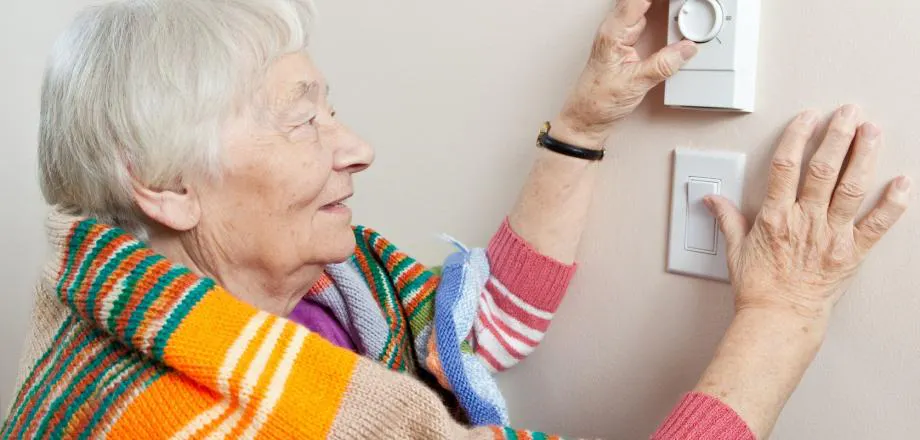
Why is Part of My House Always Hot Or Cold?
Are you tired of the frustrating battle with uneven temperatures in your home, where some rooms become unbearably hot in the summer and icy cold in the winter? You're not alone in this struggle! Many homeowners face the same issue, and it not only affects your comfort but also takes a toll on your energy bills. So, what's behind these troublesome temperature fluctuations?
There are several factors at play, impacting both your well-being and your home's energy efficiency. The most common culprits responsible for these temperature variations include inadequate air sealing, leaky or damaged HVAC ducts, and poorly insulated or completely uninsulated areas in your attic. While these issues may remain hidden from plain view inside your home, they allow hot or cold air to infiltrate your walls, exacerbating the temperature imbalances. Problematic areas are often lurking behind bathroom showers, above staircases, or in kitchens with drop ceilings. Even fireplaces and HVAC units can introduce hot or cold attic air into your living space through unnoticed gaps. Ensuring that your ducts are properly connected, insulated, and free from damage is a crucial step toward achieving consistent comfort. Verifying that there are no spots with settled, damaged, or missing insulation is another important aspect of creating whole-home comfort.
A highly effective approach to pinpointing the sources of unwanted temperature fluctuations is to schedule a blower door test. This comprehensive assessment employs a large fan and advanced technology to measure the extent of air leakage in your home. Our experts can precisely identify these problematic areas using thermal cameras. A blower door test not only sheds light on your home's energy efficiency but also empowers us to devise customized solutions that eliminate those pesky temperature ups and downs.
Investing in a home energy efficiency analysis can provide a solution to your comfort woes while simultaneously reducing your energy costs. Contact our dedicated team today to arrange a complimentary inspection of your home, and let us demonstrate the remarkable benefits of a blower door test. Bid farewell to the irritation of inconsistent temperatures and say hello to unwavering comfort throughout your entire home.
We Tested Our Osage Beach Home For Radon. Here's What We Found.
It started with a conversation at a neighborhood cookout.
A neighbor mentioned she'd just had her home tested for radon. "My real estate agent recommended it when we sold our house," she said. "I never thought much about it before."
That planted a seed. A few weeks later, I noticed our basement had that musty smell again. Nothing unusual—it's Missouri, after all, and basements are always a little damp. But then I started thinking about radon.
Here's what I learned when I finally tested my Lake of the Ozarks home.
First, what even is radon?
Radon is a gas. You can't see it, smell it, or taste it. It comes from the natural breakdown of uranium in soil, and it seeps up through the ground into homes everywhere. Missouri happens to have some of the higher radon levels in the country.
The EPA says any home with radon levels above 4 pCi/L should be mitigated. That's the action level. Most people don't know their levels until they test.
Why should LOZ homeowners specifically care?
The soil around Osage Beach and Lake of the Ozarks tends to have higher uranium concentrations than many other parts of Missouri. Homes with basements or crawl spaces are especially at risk because the gas enters through cracks in the foundation, gaps around pipes, and even through the dirt floor in crawl spaces.
When we finally tested, here's what we found.
Our home came in at 6.2 pCi/L. That's above the EPA action level, but not extreme. I've heard of homes testing at 15 or even 20. Still, anything above 4 means action should be taken.
The test itself was simple. We ordered a kit online for about $15, followed the instructions—two short-term tests in the lowest level of our home—and mailed the detectors to a lab. About a week later, we had our results.
Now, radon is the second leading cause of lung cancer. Only smoking causes more. The thing is, you wouldn't know you were being exposed. There are no symptoms. No warnings. It just builds up over time, especially in winter when our homes are sealed up tight.
If you're wondering whether your home needs testing, here are the main reasons to check:
-You live in an area with known higher radon potential. Central Missouri falls into the higher zones on the radon risk map.
-Your home has a basement or crawl space. Most Missouri homes do.
-You've never tested before. Or it's been more than five years since your last test.
-You're planning to sell your home. More buyers are asking for radon test results.
-You're seeing musty smells, condensation on pipes, or wood rot issues in your basement or crawl space.
The good news is that radon mitigation works. Really well.
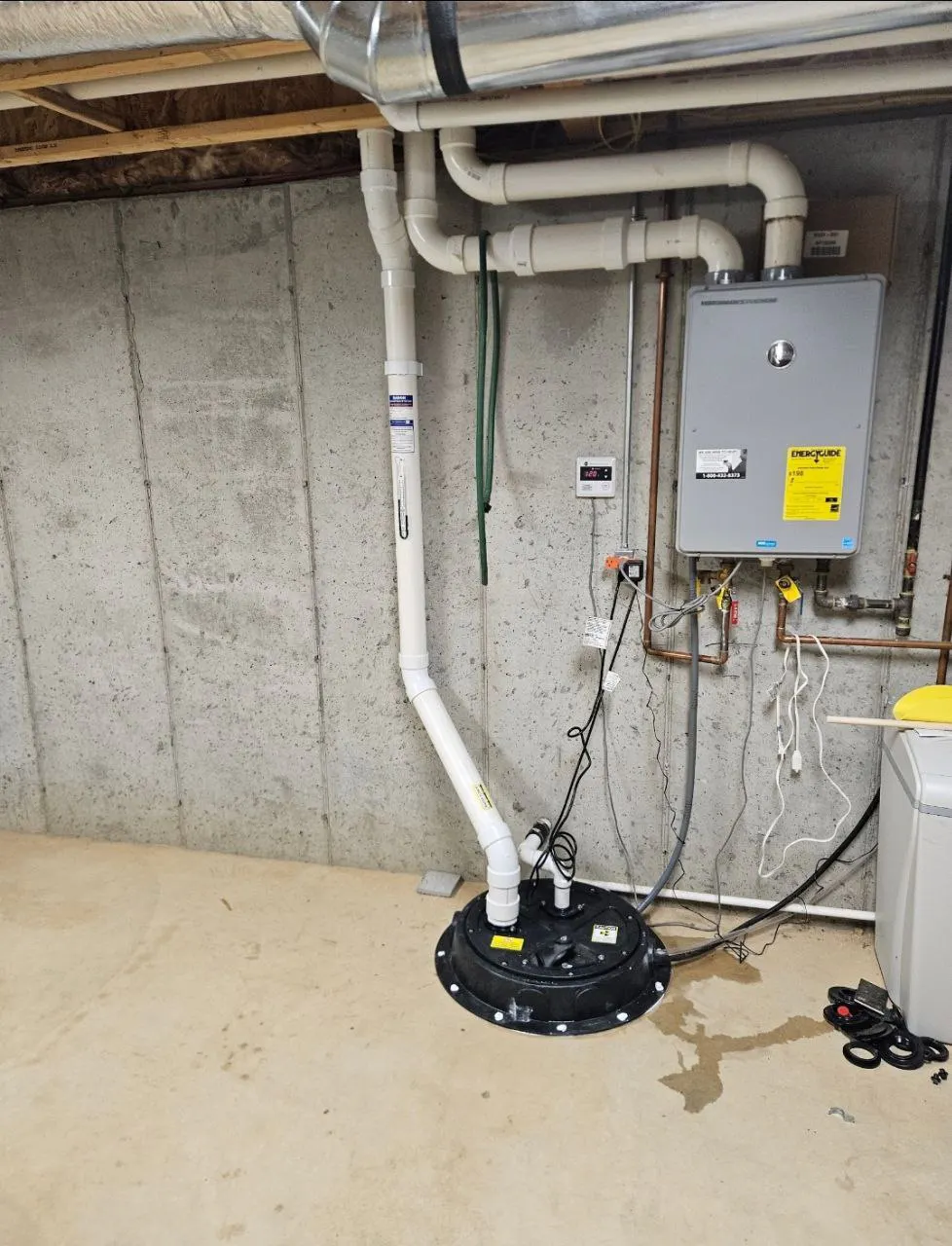
A properly installed radon mitigation system can reduce levels by 80 to 99 percent. We had one installed in our home last month. The process took about a day. The crew was professional, cleaned up after themselves, and best of all, our follow-up test came back at 1.4 pCi/L—well below the action level.
If you're in the Osage area and want to know your home's radon levels, we can help. We offer free radon testing and estimates for homeowners in Osage Beach, Jefferson City, Columbia, and all of Central Missouri.
Call (573) 877-7377 to schedule your free assessment.
Embrace the Power of Solar Energy: The Impact of Solar Panel Installation on Your Home
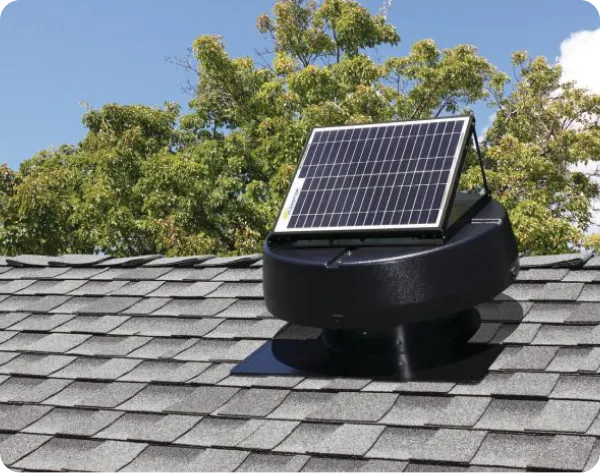
Are you tired of escalating electricity bills, power outages, or the constant hum of a generator? Do you worry about your carbon footprint and its impact on the environment? Solar panel installation can be your secret weapon in the quest for a more sustainable, energy-efficient home. Your roof may seem like just a protective cover for your home, but it can play a crucial role in your home’s energy efficiency. Studies have shown that solar panels can meet up to 100% of a home’s electricity needs, depending on the size of the installation and sunlight exposure.
If your roof is exposed to sunlight for most of the day, that’s the energy you could be harnessing. In many regions, the average hours of sunlight can range between 5-6 hours during summer months. This can lead to an increase in solar energy production, creating an ideal environment for electricity generation. Installing solar panels involves mounting photovoltaic cells on your roof — these cells capture sunlight and convert it into electricity.
This process significantly reduces your reliance on grid electricity, effectively lowering your energy bills. The result? A quieter home, with a greatly reduced electricity bill. Similarly, installing a solar battery storage system allows you to store excess solar power for use during peak times or power outages. This process helps to maintain a consistent power supply and keeps your home running smoothly even during blackouts. In fact, the Environmental Protection Agency (EPA) estimates that homeowners can typically save up to 20% on electricity costs by installing solar panels and using solar energy. But that’s not all - by harnessing the power of the sun, you’re also reducing your carbon footprint and contributing to a healthier planet. Reducing reliance on grid electricity, controlling energy costs, and contributing to environmental conservation can also have positive effects on your mental well-being.
A 2011 report by the World Health Organization indicated that climate change and environmental degradation were responsible for an increase in stress and anxiety worldwide. By investing in solar panel installation and battery storage, you’re not just optimizing your home’s energy efficiency and saving money - you’re also creating a cleaner, healthier living environment for you and your family. Say goodbye to high electricity bills and power outages, and say hello to a greener, more sustainable home. To further protect your home from escalating energy costs and power interruptions, we invite you to contact SafeGuard Home Solutions for a free inspection and consultation. Our dedicated team will evaluate your home’s current condition and provide effective solutions to improve your energy efficiency, making your home a healthier, more comfortable place to live.
Unleash the Potential of Smart Home Automation: The Benefits of Integrating IoT Devices in Your Home
Are you tired of manually controlling appliances, worrying about leaving lights on, or dealing with high energy bills? Do you wish for a more convenient, efficient, and secure home? Smart home automation can be your key to unlocking a more modern, connected living experience. Your home may seem like just a living space, but with the right technology, it can become an intelligent hub that makes your life easier.
Studies have shown that integrating Internet of Things (IoT) devices in your home can significantly enhance your lifestyle and convenience. If your home is equipped with smart devices like thermostats, lights, locks, and security cameras, you can control them remotely using a smartphone or voice commands.
In many regions, the average household energy consumption can be quite high. This can lead to hefty utility bills and a larger carbon footprint. By integrating smart devices like thermostats and lights, you can automate energy usage based on your daily routines and preferences. This not only reduces energy waste but also leads to cost savings.
The result? A smarter home that adapts to your lifestyle and needs. Similarly, integrating a smart security system allows you to monitor your home remotely, providing peace of mind when you’re away. This system helps maintain a secure environment and alerts you to any potential security threats.
In fact, the Environmental Protection Agency (EPA) estimates that homeowners can typically save up to 15% on heating and cooling costs by installing a smart thermostat. But that’s not all - by automating your home, you’re also enhancing its value and appeal.
Reducing energy consumption, enhancing security, and increasing convenience can also improve your quality of life. A 2011 report by the World Health Organization indicated that stress levels were significantly lower in homes with smart automation systems.
By investing in smart home automation, you’re not just optimizing your home’s efficiency and saving money - you’re also creating a more comfortable and convenient living environment for you and your family. Say goodbye to manual controls and high energy bills, and say hello to a smarter, more connected home.
To further enhance your home with smart automation solutions, we invite you to contact SafeGuard Home Solutions for a free inspection and consultation. Our dedicated team will evaluate your home’s current condition and provide effective solutions to improve its efficiency and convenience, making your home a smarter place to live.
Seal the Deal: How Attic Air Sealing Can Revolutionize Your Home's Comfort and Energy Efficiency
Have you ever noticed a striking temperature difference when walking upstairs or downstairs in your home? Or perhaps there's a certain room that's always too hot in summer and too cold in winter? These uncomfortable temperature shifts might be due to air leakage, and the solution may be found right above your head, in your attic
From the insights of an installer who has completed over a thousand insulation installs in the St. Louis area, "air sealing is the revolution nobody is talking about." Air gaps, also called contaminated pathways, effectively rob insulation of its R-value. This reality is potent, with many experts suggesting that leaky homes may be the primary culprit behind post-install complaints that additional insulation didn't provide the expected comfort or results.
Think of your home as a thermal envelope, not unlike a cooler. A vacuum-sealed cooler keeps your beverages cold longer than a zipper-sealed cooler with air gaps, even if they both have the same amount of insulation. Similarly, a well-sealed home retains conditioned air better, making it more comfortable and energy-efficient.
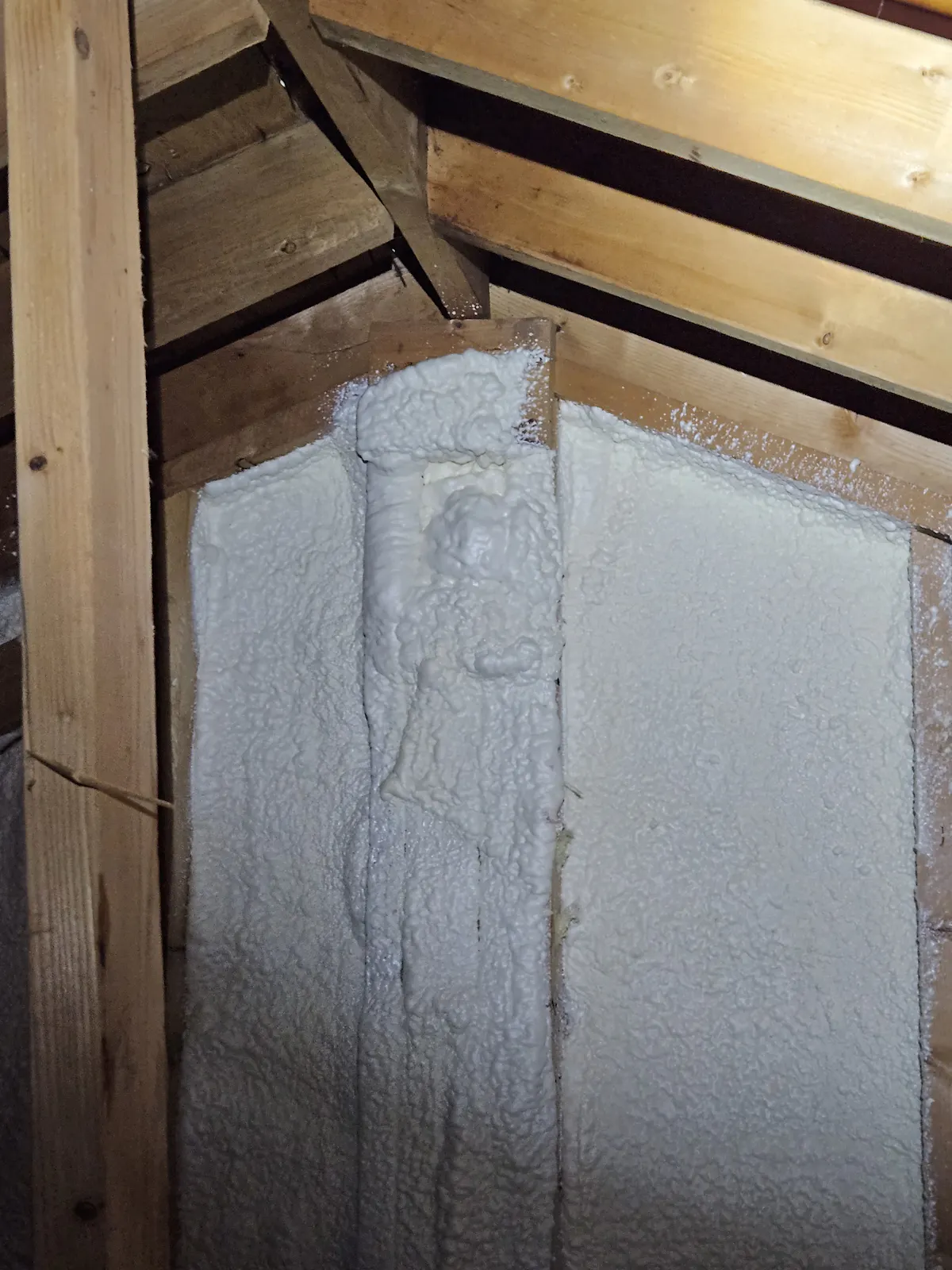
The areas where air leakage is most prominent are usually at the top and bottom of your house, specifically where the top plate meets the drywall in your attic and the rim joists in your basement or crawlspace. Sealing these leaky spots can significantly improve your home's energy performance.
Why do these areas tend to be the leakiest? It has to do with the stack effect. Warm air rises and escapes through the upper parts of a home, creating a vacuum effect that pulls in colder air from the lower parts. By air sealing your attic, you're curbing this cycle and helping to keep your home's temperature more consistent.
To truly unlock your home's comfort and efficiency potential, it's important to identify and measure its air leakage. This is done by performing a blower door test, which quantifies your home's 'leakiness' in Cubic Feet per Minute (CFM) - a measure of the volume of air movement. High CFM ratings indicate more air movement, often resulting in faster heating or cooling by your HVAC system. In fact, leading building scientists size your HVAC systems based on CFM, so knowing these metrics is vital.
However, sealing these areas is often overlooked during construction and maintenance. While plumbers, electricians, and HVAC technicians excel at their jobs, they tend to focus more on delivering an excellent product than on sealing the holes required for pipes, wires, and vents in your attic. It's akin to not expecting an insulation contractor to fix a leaky toilet – you wouldn't expect your electrician to seal your attic!
Did you know that comprehensive air sealing and insulation in attics and floors can lead to dramatic energy savings? The U.S. Environmental Protection Agency (EPA) underscores the potential for homeowners to make meaningful reductions in their total energy costs. In fact, some homeowners have witnessed savings as high as 75% in extreme cases where air leakage was particularly severe. Remember, your potential savings depend on various factors, including the current state of your home's insulation and air sealing. Every home is unique, and so are the benefits you'll reap from this energy-saving revolution.
At SafeGuard Home Solutions, we understand the importance of your comfort. Don't settle for inconsistent temperatures and inflated energy bills. Our team offers affordable blower door tests and free thermal envelope inspections using a thermal camera. Through these science-based approaches, we can highlight temperature differences and pinpoint the areas in your home with the most air leakage. Don't rely on guesswork; take the first step towards a more comfortable, energy-efficient home with SafeGuard Home Solutions and seal the deal on attic air sealing.






Get a Free Quote Today